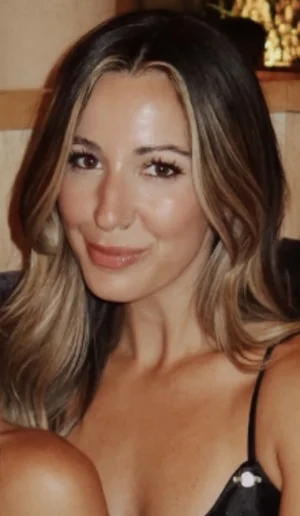
Behind the Chair: The Hair Changes No One Warns You About in Your 30s
There’s a moment—somewhere in your 30s—when your hair just… feels different.
Not dramatically. Not overnight. But enough that you notice. Your go-to formula doesn’t hit the same.
Your ends feel drier, even when you’re doing everything right.
The color you’ve loved for years suddenly feels a little… off.
And no one really talks about it.
Behind the chair, I see it every day. Women sitting down, trying to explain something they can’t quite put into words—
“My hair just isn’t the same anymore.”
And they’re right. Because it’s not.
What’s Actually Changing
In your 30s, your body begins subtle hormonal shifts—especially in estrogen, progesterone, and even thyroid function. So I have read…
And your hair responds to all of it.
Estrogen plays a major role in keeping hair in its growth phase longer. It supports shine, softness, and density. As levels begin to fluctuate, you may notice:
Slightly finer texture
Less density around the hairline or part
Increased dryness or dullness
Hair that doesn’t hold style the same way
This isn’t sudden. It’s gradual. Quiet. Easy to dismiss at first.
But layered with stress, lifestyle, heat styling, and daily wear—it adds up.
Your hair is evolving. Just like you are.
Minneapolis Hair Is Its Own Category
Living in Minneapolis, your hair isn’t just responding to your body—it’s responding to the environment constantly.
And if you’ve ever felt like your hair swings between extremes… you’re not wrong.
Winter pulls moisture out of everything—your scalp, your ends, your skin. Hair feels drier, more fragile, harder to manage. Static, breakage, and that “why does it still feel dry?” feeling become the norm.
Then summer shifts everything in the opposite direction.
Humidity, sun, sweat—hair expands, lifts, warms up. Blondes turn brassy faster. Brunettes can feel flat or overly warm.
And underneath all of it is something most people don’t think about:
Hard water.
Minneapolis water contains minerals like calcium and magnesium that build up on the hair over time. That buildup can cause:
Dullness and lack of shine
Hair that feels coated or waxy
Color that doesn’t take the same—or fades unevenly
Blondes that turn brassy faster
So when your hair feels different, it’s not just age. It’s your body, your environment, and your routine—all intersecting at once.
Why Your Old Formula Isn’t Hitting the Same
This is one of the biggest things I hear behind the chair.
“The color just doesn’t look like it used to.” Or many clients refer to childhood hair, or old photos of themselves. I do.
And it’s not in your head.
When your hair’s porosity, texture, and underlying pigment shift, the way it absorbs and reflects color changes too.
That bright blonde you loved at 27 might now feel flat or overly warm.
That rich brunette might read heavier than it once did.
Your canvas has changed.
And your color needs to evolve with it.
Adjusting Expectations (Without Lowering Your Standards)
This is the shift that changes everything: You don’t need to chase the exact version of your hair from 10 years ago.Because the goal isn’t to go backwards. It’s to feel like yourself now. That might look like:
Softer, more dimensional color instead of solid tones
Slightly deeper or more blended roots for longevity
Embracing movement and texture over perfection
Letting your hair complement your lifestyle—not compete with it
It’s not less beautiful. It’s just a more refined version of beauty.
How Your Routine Might Need to Shift
When your hair starts feeling different, the answer isn’t more—it’s more intentional.
Behind the chair, especially for my Minneapolis clients, I often recommend:
More hydration, less overload
Focusing on moisture balance instead of heavy coatings or too much proteinHeat styling with intention
Lower temperatures, better prep, fewer passesGlossing instead of constant full color
Maintaining tone and shine without unnecessary stress on the hairSeasonal adjustments
Brighter, lighter tones in winter when hair looks dull
Slightly deeper, more blended tones in summer to balance warmthClarifying or Malibu treatments
Removing hard water buildup can completely shift how your hair feels, looks, and takes colorSpacing out blonding while refining in between
Less damage, more longevityPaying attention to your scalp
Because healthy hair starts there—and it matters more as we age
The Emotional Side No One Talks About
Hair is tied to identity. So when it changes—even subtly—it can feel personal. I’ve had clients sit in my chair and say,
“I just don’t feel like myself anymore.”
And what they really mean is—they’re in a transition.
Your 30s are full of them.
Motherhood. Career shifts. Body changes. Style evolving.
Your hair is just one part of that story.
Behind the Chair Truth
The women who love their hair the most in this season aren’t trying to hold onto what was. They’re willing to adjust. They trust the process. They evolve. They prioritize how their hair feels—not just how it photographs.
And the result is always the same:
Hair that looks more effortless. More elevated. More aligned. If your hair has been feeling different lately—this is your reminder:
You’re not imagining it.
You’re not doing anything wrong.
You’re just in a new chapter.
And your hair deserves to meet you where you are for right now. I’m here to help.
Heather xo